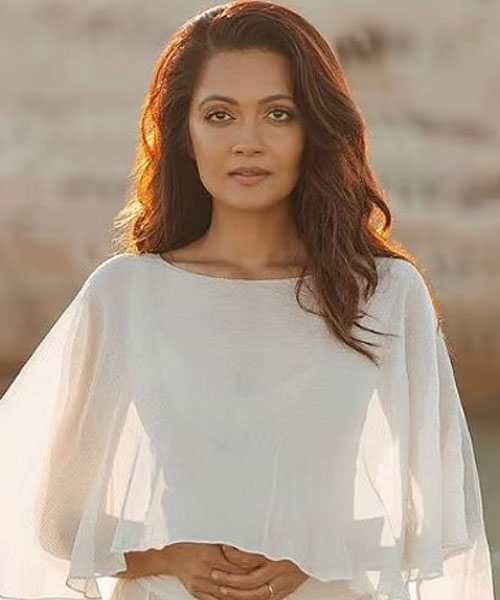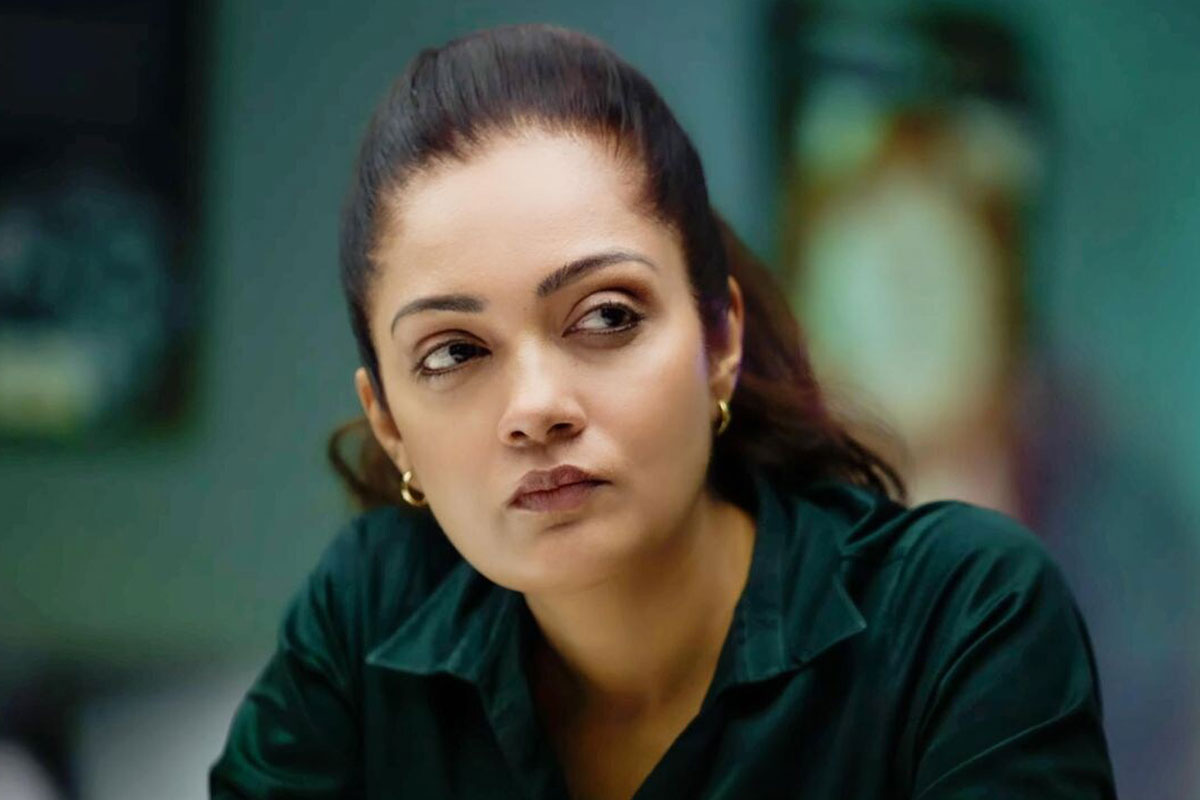
There are actors who chase fame, and there are actors who chase truth. Sheena Chohan has always seemed to belong firmly in the second category.
The award-winning Indian actress has quietly built one of the most dynamic careers in contemporary Indian cinema, taking on leading roles in more than 15 projects across five Indian languages. Her performances have earned international recognition, including Best Actress nominations at the prestigious Shanghai International Film Festival and Dubai International Film Festival, placing her alongside stars such as Keira Knightley and Kate Beckinsale. In recent years, Chohan has added a Best Actress win for a comedy series, Rising Star and Most Promising Actress honors, and most recently, a 2026 Best Actress award for her Bollywood film Sant Tukaram.
Yet accolades alone do not explain her momentum. What defines Chohan is a rare commitment to growth.
A Career Already in Motion—But Searching for More
Before arriving in Los Angeles, Chohan had already done what many actors spend a lifetime trying to achieve. She trained extensively in theatre, worked steadily in film, and established herself as a multilingual leading lady.
“From the outside, it looked like everything was progressing well,” she says. “But internally, I knew there was another level I hadn’t yet accessed.”
She describes moments on set when scenes felt technically polished but not fully alive. “I was searching for a deeper truth—something more effortless, more present, more real.”
That search eventually led her to The Acting Center in Los Angeles—an experience she now credits as a major turning point in both her craft and career.

The Training That Changed Her Process
For Chohan, The Acting Center offered something she had been seeking for years: a path beyond performance and into presence.
“I first heard about The Acting Center at a point in my journey where I was searching for something deeper—something that went beyond performance and into truth,” she explains. “From the very first experience, I knew this was different.”
What struck her most was the school’s emphasis on authenticity rather than external display.
“What sets The Acting Center Technique apart is its focus on truth over performance,” she says. “It’s not about ‘acting’ a scene—it’s about living it. You’re not trying to show emotion; you’re allowing it to arise organically from a real place within you.”
After years of building characters from the outside in—through external choices, illustrative behavior, blocking, and results-driven presentation—this training shifted her toward an immersive character experience.“It taught me how to listen deeply, how to respond in the moment, and how to trust silence as much as dialogue,” she says. “It gave me the freedom to let go of control and truly be.”
That shift, she says, was transformative.“It didn’t just change my process—it changed my relationship with the craft.”
Why Her Work Feels Different Now
The results of that training are visible in how Chohan now approaches auditions, callbacks, and filming. “In auditions and callbacks, I’m no longer trying to impress or ‘get it right,’” she says. “I focus on being this person, present and truthful.”
On set, she describes a calmer, freer process. “I listen more, respond instinctively, and stay open in the moment instead of planning or forcing choices.”
What emerged from that process is something many actors spend years trying to find: quiet confidence. “I trust myself, trust the process, and let the performance unfold organically.”
A Performer Drawn to Complexity
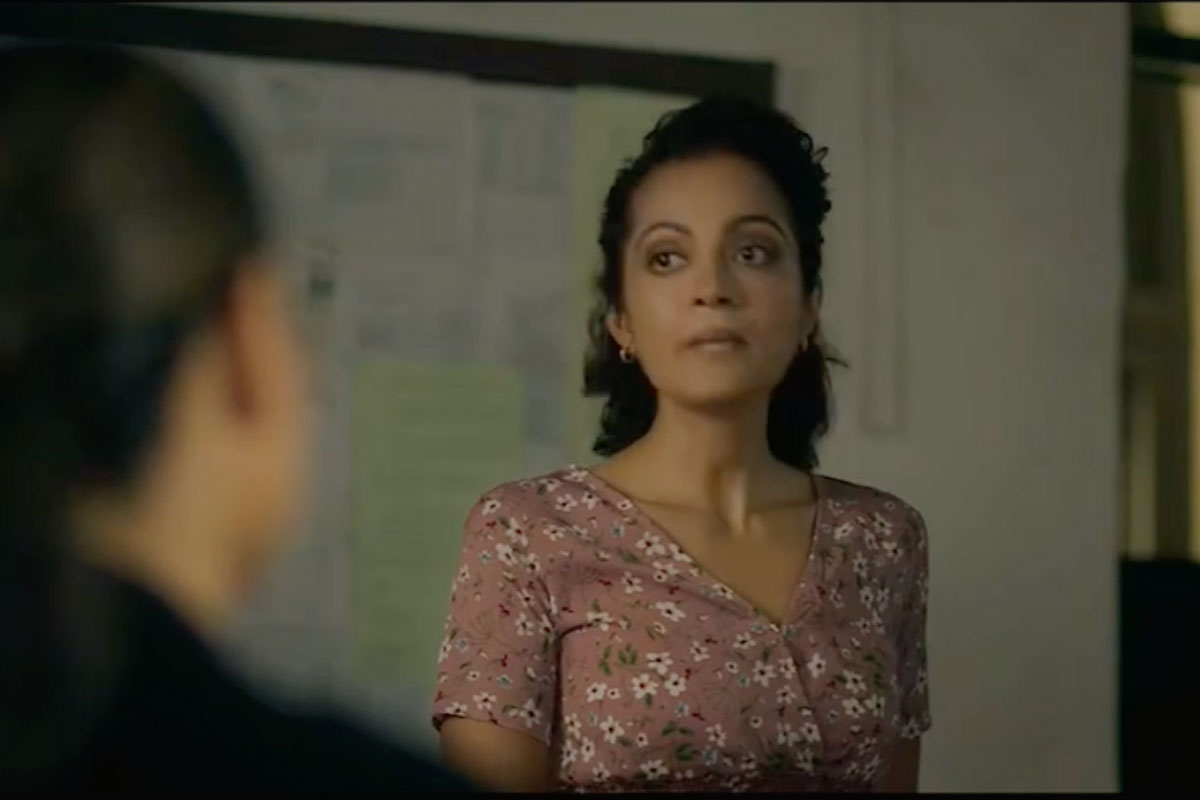
Chohan’s recent roles reflect that deeper artistic range. In Sant Tukaram, she portrayed Avali Jija Bai, a legendary historical figure familiar to generations of audiences. Upcoming projects show equally bold contrast, including the mythological warrior-singer Rani in Arjunain Allirani and Lilith, a supernatural force in a forthcoming series.
Every role, she says, is an opportunity for reinvention. “My favorite part is when something written on a page starts to breathe and exist truthfully,” Chohan says. “Every role is a new world—a new psyche, a new rhythm.”
Discipline Beyond the Camera
Part of Chohan’s screen presence comes from an unusually broad artistic foundation. She is a trained violinist, contemporary dancer, and brown belt in karate—disciplines that sharpen rhythm, precision, and physical awareness.
Her impact also extends beyond entertainment. As a United Nations Hero Award recipient and ambassador for human rights, she has used her platform to advocate for dignity, equality, and empowerment, reaching audiences in the hundreds of millions.
Still a Student
Despite the awards, the global recognition, and the growing profile, Chohan speaks less like a star than like an artist still hungry to learn.“The Acting Center deepens my trust in my instincts and my voice as an artist,” she says.
And perhaps that is the real story of Sheena Chohan: not simply talent, but the willingness to keep expanding it. “At its heart, my journey has been about going deeper—into truth, into craft, into creating characters that feel alive,” she says. “Always keep learning. Stay curious, stay open, and keep growing.”